


After years in this business, you start to recognize something. The partnerships that really work, where both sides are locked in, communicating well, and actually enjoying the relationship, share a common thread. It’s not industry. It’s not product category. It’s fit.
Our team has been doing this long enough to have seen it from both sides. The accounts where our people anticipate what a brand needs before they call. The ones where clients stay for years and eventually refer their peers. And the ones where, despite everyone trying hard, something never quite clicks. That pattern is worth paying attention to.
So we got intentional about it. We looked honestly at where we deliver our best work and asked a straightforward question: which types of brands do we genuinely help most? Two clear profiles came out of that process. If you’re the right fit, you’ll know it by the end of this piece.
The Two Types of Brands We’re Built to Serve
We looked hard at the client relationships where our team consistently does their best work, the accounts where clients stay for years and both sides genuinely enjoy the partnership. We also looked honestly at where things strained. What came out wasn’t a list of industries. It was two clear profiles.
The Builder: The Established Multi-Channel Brand
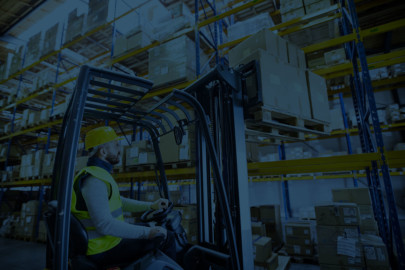
These brands have been in the game long enough that complexity is just part of the job. DTC, Amazon, retail, wholesale: they’re running all of it simultaneously out of a single operation, and the logistics behind that are genuinely demanding. Q4 doesn’t just put pressure on volume; it’s where you find out whether your fulfillment partner can actually hold the line when it matters most.
What they need isn’t more warehouse space. They need a team that can manage that complexity without flinching:
- Custom kitting and gift packaging that doesn’t become a bottleneck during peak season
- Returns processing that’s fast enough to protect margin and customer experience at the same time
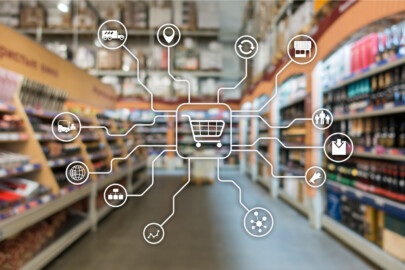
- Multi-channel fulfillment from a single facility, so they’re not managing three separate provider relationships just to get product to a customer
- Peak season capacity they can count on, not cross their fingers for
The people we work with at these companies are typically Directors of Logistics or Supply Chain Managers. Most have been burned before by a provider who couldn’t flex when volume spiked, who offered zero customization because it wasn’t in the base contract, who went quiet when something went wrong instead of picking up the phone. That last one is the one our team takes personally.
The Climber: The Growth-Stage Brand Scaling Fast
This brand is younger and moving quickly. Most of their volume is direct to consumer right now, but they’re actively growing into wholesale and retail. That transition from DTC-heavy to true multi-channel is exactly where a good fulfillment partner either earns its keep or shows its limits. The stakes are real.
For a food, beverage, or supplement brand, a compliance failure doesn’t just cost money. It can cost a retail relationship, and sometimes the business itself. The Climber needs a partner who treats that seriously:
- Compliance certifications that hold up under FDA audits and retail onboarding requirements
- Lot tracking and FEFO rotation so product moves in the right order and nothing expires on a shelf
- Quality-first operations where accuracy is measured and documented, not just assumed
- Room to scale 2 to 3x without having to change providers mid-growth
These brands are often coming from in-house fulfillment or a starter 3PL that got them this far but can’t take them where they’re going. The decision-makers are VPs of Operations, COOs, and Operations Managers. They come from supply chain backgrounds and want proof, not promises. Our team has the lot tracking records, the compliance documentation, and the audit history to back up what we say.
What Both Profiles Have in Common
Despite the differences in where they are in their journey, every brand that works well with us shares one expectation: they want a partner, not a vendor who processes their orders and sends an invoice.
Both profiles told us, in different ways, that their previous provider made them feel like just another account. Communication was reactive. Problems surfaced after they got expensive. Account managers turned over and nobody filled the gap. According to research on how to choose the right 3PL for CPG brands, the brands that struggle most with fulfillment partnerships are the ones that evaluated providers on price and capacity alone, without looking hard at communication and account management depth.
That’s the part our team takes seriously. Dedicated account management that knows your business. Proactive communication before small problems become big ones. Technology that works with your existing systems, not against them. Investing in the relationship isn’t optional here. Every person on our team who touches a client account shows up that way, every single day.
Who We’re Not Built For
Being clear about who we don’t serve well matters just as much as describing who we do. The Startup CPG database lists hundreds of 3PL options for growing brands. Most will say yes to any inquiry. We’d rather be straight with you upfront.
A few situations where we’re not the right fit:
- Volume at the extremes: Below a certain order threshold, the economics don’t work for either side. On the other end, brands that need fully automated, lights-out warehouse operations at massive scale need infrastructure we don’t have and don’t claim to.
- Pure price shoppers: If the only thing driving the decision is who comes in cheapest, we’re probably not your people. There are providers built for that. We’re built for something else.
- Outside our service scope: Cold chain beyond ambient and basic temperature control, specialized hazmat, and oversized or heavy products aren’t things we do. We’ll tell you that upfront rather than take the business and struggle with it.
- A pattern worth an honest conversation: If a brand has been through five 3PLs in three years and isn’t sure why, that’s worth talking through before anyone signs anything.
We’re not trying to be everything to everybody. We’re trying to be exactly the right fit for the brands our team can genuinely help grow.
If This Sounds Like Your Brand
We did this work because the right partnerships don’t happen by accident. They start with honest alignment about who you are, what you need, and whether the people across the table are actually built to deliver it.
If you’re a multi-channel brand managing real operational complexity, or a growth-stage CPG company that needs a partner who understands compliance as well as fulfillment, our team would love to hear from you. Learn more about how Symbia approaches fulfillment partnerships or reach out directly to start the conversation.