



Temperature-controlled shipping is no longer optional for cosmetics, supplements, and nutraceutical brands—it’s the foundation of product integrity in modern fulfillment. Imagine a cosmetic serum or probiotic degraded due to heat exposure during transit. Suddenly, customers are dissatisfied, and your product doesn’t have the chance it needs to shine.
Many brands treat fulfillment like a commodity. For temperature-sensitive or formulation-based products, however, it’s a potential liability. Is your fulfillment chain protecting product quality—or putting your brand reputation at risk? Whether your products require full cold-chain fulfillment, controlled environments, or specialized cosmetic logistics, your fulfillment strategy has a direct impact on product stability, compliance, and customer trust.
Discover when temperature control matters, how to evaluate a fulfillment partner, and what emerging tools are reshaping cosmetic fulfillment, supplement fulfillment, and nutraceutical fulfillment for modern CPG brands.

Why Product Integrity in Fulfillment Matters
For many brands, particularly in the cosmetics and supplement industries, product integrity is crucial. Active ingredients in cosmetics and supplements degrade with heat, moisture, and freeze/thaw cycles. When your products are exposed to those changes during shipping, it means a number of potential challenges when they arrive at the customer.
- Inconsistent product quality: Customers do not know whether they’ll get the product they ordered and expect, or if they’ll end up receiving a product that fails to meet their needs
- Failed product testing: While your product worked great during original testing, once it was shipped out—whether to customers or to other facilities—it may no longer meet those expectations
- Customer complaints: Customers who receive inconsistent or degraded products are unlikely to be satisfied with the products they ultimately receive.
The solution? Maintain temperature windows that fit the needs of your specific products. For example, keeping products between 68–77°F can prevent both freezing and overheating, ensuring the integrity of many of those important formulas. Use validated materials and monitoring systems to ensure that products are at the same high quality customers expect when they reach their destination.
Hot Tip: Treat environmental control as part of your product’s quality promise, not just a logistics expense. Maintaining those expectations is vital to getting high-quality products in your customers’ hands.
Inside a Modern Cold-Chain Fulfillment System
When you have sensitive SKUs, several key infrastructure elements help protect them. The right system reduces damage, stabilizes inventory quality, and supports scalability as your product line grows.
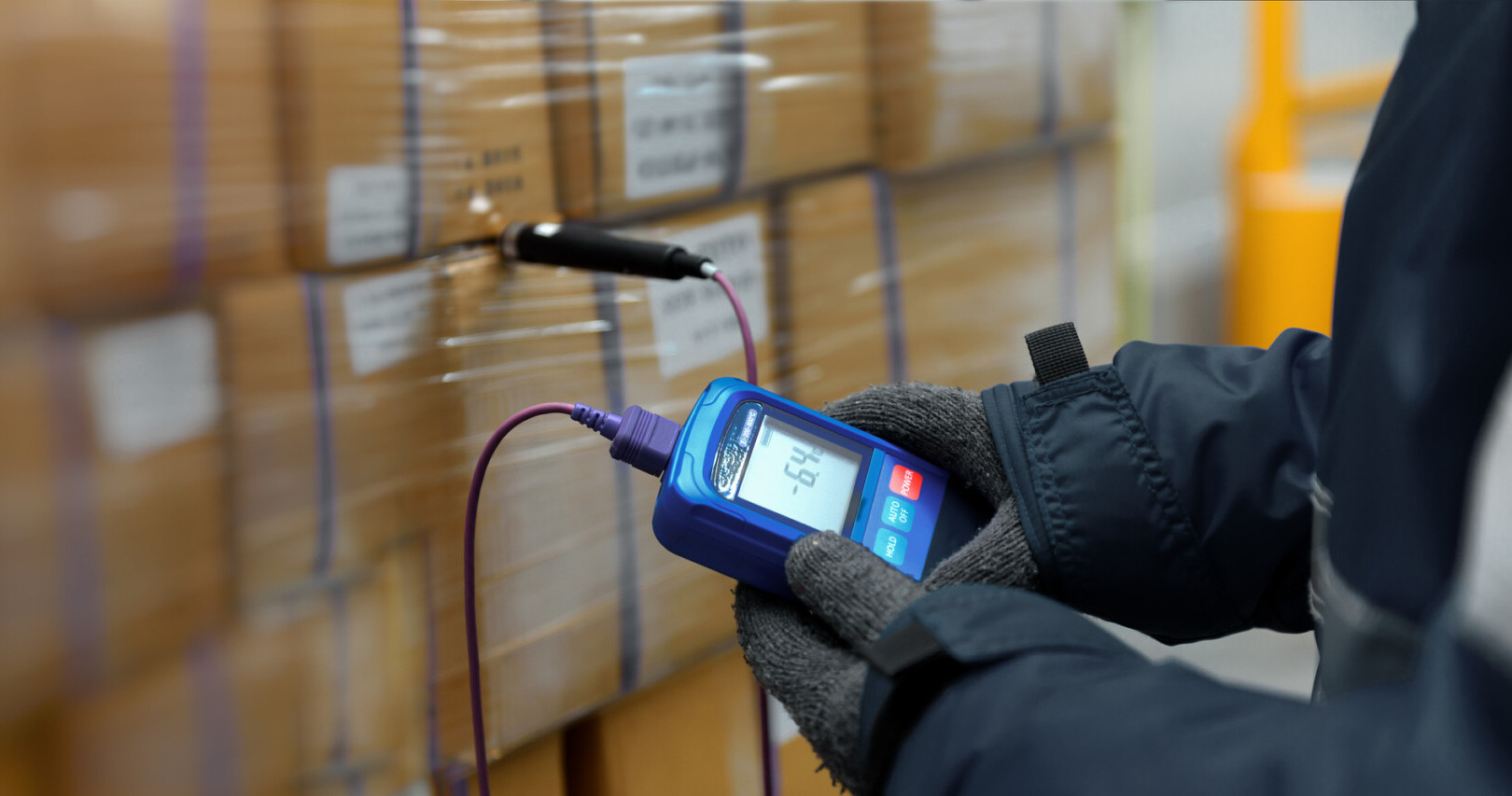
Temperature-Zoned Storage
There are several ways to manage temperature control effectively. Pay attention to ambient temperatures in vehicles and storage facilities: for example, there may be times during the year when you can more easily ship sensitive items without having to worry as much about temperature control. Temperature-controlled options help maintain a consistent temperature within the environment. If you have items that need to remain at cooler temperatures, refrigerated shipping options can help ensure the quality of your products.
Packaging
Properly engineering your packages can go a long way toward protecting the integrity of those shipments. Common options include insulated boxes, gel packs, dry ice, and PCM. Experiment with packaging options to get a better feel for what meets your brand’s specific needs.
Real-Time Monitoring Systems
Carefully monitoring your shipments and inventory lets you know when a problem arises, putting you in a better position to address it. Using sensors and data loggers will make it easier to identify problems that arise during shipments—and correct them for the future—while automated alerts can help you protect your current products, letting you know when temperatures exceed or fall below acceptable levels.
Efficient Transfer Points
Package transfers can interfere with the whole system you’ve built. Inefficient transfers can allow packages to sit outside those climate-controlled environments. Cross-docking, staging, and carrier handoffs can all help protect your products.
Testing Protocols
Validation and testing protocols for packaging and storage environments allow you to check to see how your solutions are working and make adjustments as needed. Make sure those are built into your system, rather than simply testing when there appears to be a problem.
Hot Tip: Audit your fulfillment provider’s temperature logs before trusting them with high-value formulations.
Compliance & Partnership: Building Fulfillment You Can Trust
Compliance rules don’t end at the manufacturing floor. Even once your products are out of your hands, you must continue to meet compliance standards in order to deliver safe and effective products to your customers. Noncompliance during storage or transport can lead to recalls, fines, or brand reputation damage. By working with a fulfillment partner who integrates compliance into every stage, you can feel more confident that you will be able to meet those standards until products are in the hands of your customers.
Look for partners that can handle the specific compliance standards you need. That may vary depending on your specific product.
- Supplements: cGMP, lot tracking, recall traceability
- Cosmetics: stability testing, safety data, accurate labeling
- Fulfillment: SOP documentation, temperature logs, audit readiness
Compliance-backed fulfillment not only protects customers but also differentiates your brand, letting customers know that you are genuinely committed to delivering those quality products.
Hot Tip: Ask to review a 3PL’s most recent temperature audit or stability validation before signing.
Balancing Cost, Protection & Sustainability in Temperature-Controlled Logistics
Temperature control adds cost—but skipping it can destroy value. All too often, brands either overspend on unnecessary protection or underinvest and risk spoilage. If you want to balance cost, performance, and sustainability, start by forecasting demand to minimize overstock of perishable products. Next, make sure you use adaptive packaging by region and season, allowing you to protect your products no matter what the temperature is doing outside. Optimize routes and transit times to help reduce costs and deliver products to customers more quickly. Reusable or eco-friendly cold materials can help you meet your commitment to environmental sustainability while, in many cases, further reducing your costs.
In addition, consider the benefits of hybrid models, such as ambient storage with cold last-mile delivery, to meet customer expectations and maintain product quality at a lower price.
Efficient use of packaging and predictive planning lowers waste and cost while protecting the product.
Hot Tip: View temperature control as precision spending, not overhead.

The Future of Cold-Chain Technology & Supply Chain Traceability
Reactive systems struggle to keep up with the complexity of modern logistics. Emerging tools are redefining visibility and reliability—and savvy companies are keeping up with these advances in technology to help them meet compliance standards and customer expectations. Try out tools like:
- Smart sensors and predictive alerts
- AI-driven routing and packaging optimization
- Regional micro-fulfillment and “cold hubs”
- Sustainable cold packaging materials and carbon tracking
Advanced monitoring and data-driven planning mean fewer surprises, fewer losses, and happier customers.
Improve Your Temperature-Sensitive Fulfillment
Fulfillment isn’t just about shipping products—it’s about protecting product integrity, maintaining compliance, and reinforcing your brand promise. If you’re shipping temperature-sensitive or high-value formulations, Symbia helps you design fulfillment systems that protect every product—and every promise. Check out our resources to learn more about our available solutions and how you can protect your brand’s reputation and quality, or contact us to discuss a fulfillment partnership you can count on.