



In January, warehouses are often piled high with return pallets: everything from cosmetics bundles to small electronics waiting for inspection or disposal. For many CPG brands, the holiday season unfortunately ends with a wave of returns that strains staff, eats margins, and turns perfectly good inventory into waste. Holiday returns often create more operational pressure than peak season itself. With return rates reported near 17 percent for some brands and categories, the post-peak season can be more costly than Q4 itself. As you’re moving into this season, ask: How many of your returns are preventable, resellable, or avoidable with a clearer workflow?
Effective return management is the key to navigating the post-holiday season. It helps protect your profit margins, reduces your environmental impact, and boosts customer trust. Take a look at these simple, high-impact moves to cut waste and streamline your post-holiday return season.
Why Returns Spike After Peak Season
Peak-season buying leads to mismatched expectations, damaged shipments, and impulse purchases that end up being returned quickly. Unfortunately, for the brands consumers are returning to, that can mean:
- High waste
- Labor overload
- Slow restock cycles
- Shrinking margins
While the peak season can be great for business, the aftermath often presents a significant challenge for many brands. Addressing it appropriately is a critical part of ensuring that your brand can survive those ups and downs.
Navigating the Spike in Holiday Returns
Start by understanding category-specific return triggers. What causes customers to return those items? Where is the disconnect? Is it because those items were ultimately unwanted impulse purchases? Are they gifts that fail to meet the recipient’s expectations? By clearly identifying the disconnect, you can address them before peak season ends—and decrease the number of returns at the end of it. Ultimately, that means fewer avoidable shipments, lower return volume, and higher customer satisfaction.
Hot Tip: Track reasons for returns by SKU in December to spot preventable patterns in January.
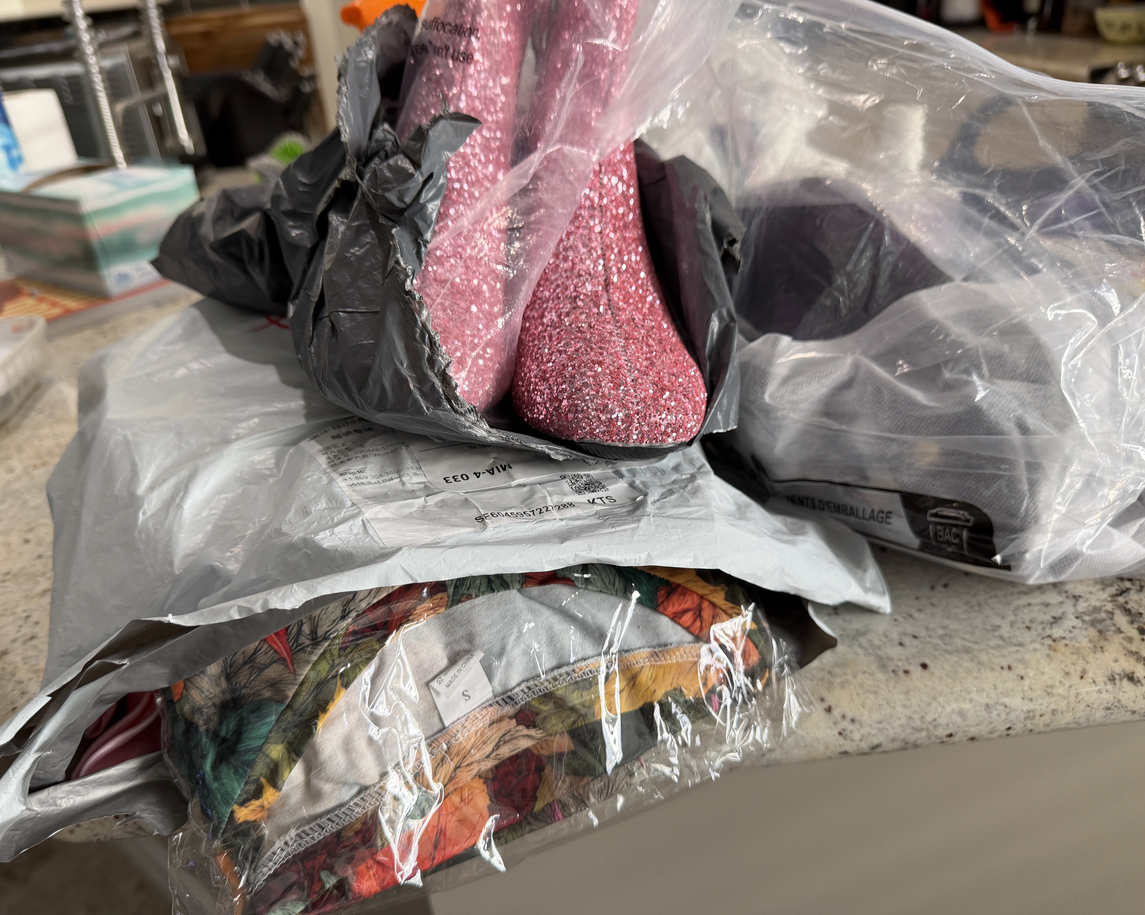
Fixing the Root Causes: Packaging, Accuracy, and Product Expectations
There are some returns that are outside your control—especially when it comes to items that were purchased as gifts, but which the recipient ultimately doesn’t want. On the other hand, there are several key drivers of returns that your brand can control. When you improve the overall unboxing experience, customers are much more likely to be happy with their products—and that means fewer returns.
Product Detail Clarity
Clarifying the details of the product is particularly important when it comes to things like cosmetic shades, supplement facts, and electronics specs: key areas that can have a significant impact on overall customer satisfaction. Clearly lay out that information on your packaging and on your website so that buyers can quickly and easily check to ensure that they’ve picked up the items they were actually looking for.
Packaging Durability
Damage during transit is a serious issue for customers and brands alike. By choosing durable packaging options, you reduce the risks of damage during shipment, which could ultimately come back on your brand.
Fulfillment Accuracy
Fulfillment accuracy is important no matter what type of product you’re selling. However, when it comes to products like multi-item gift bundles, it’s easy for mistakes to creep in–and when they do, customers are much more likely to return those items. Make sure that orders are accurate and contain everything they’re supposed to in order to decrease returns.
Instructions
When customers or gift recipients open the package, can they easily figure out what they’re supposed to do next? Make sure the packaging includes clear instructions for assembly or use, especially when it comes to items like electronics, appliances, and other devices.
Honest Representation
When customers choose an item from your website, can they see exactly what they’re getting? Make sure you offer honest representations of everything that could impact customer interest in an item, including size, color, and dosage.
Hot Tip: Update product photos and descriptions before Black Friday to reduce January returns.

Smart Return Policies That Reduce Volume (Without Hurting CX)
Your return policies are a key part of the customer experience. A poor return policy or experience can drive customers away from your brand in the future, especially if they aren’t satisfied with their purchase. An overly generous or vague policy, on the other hand, can increase unnecessary returns, leading to higher operational costs and more unsellable items.
Instead, build a return policy that reduces the number of unnecessary returns while still focusing on the customer experience. You may want to:
- Introduce pre-holiday extended windows. These windows may lengthen your normal return allowance to encourage early shopping during the holiday season.
- Use conditional returns for limited items. Set the terms under which customers can return those items, especially if they are holiday-specific items or cannot be resold.
- Offer instant credit over refunds. Encourage customers to try out something from your brand that is more likely to meet their needs.
- Tighten policies on high-return SKUs. Pay attention to the items that are returned most often and put clear policies in place to deal with those issues.
- Offer low-friction exchanges. Even gift-givers with the best of intentions can get it close but not quite right. Making exchanges easy can improve customer satisfaction and allow you to keep the sale.
When you fix your return policies, you can lower return rates and preserve revenue while still feeling customer-friendly.
Hot Tip: Exchanges keep more revenue than refunds, especially for CPG bundle SKUs.
Reverse Logistics That Recover More Inventory
Returned items often sit too long to be resold, repackaged, or refurbished. There may be items that are no longer usable once a certain period of time has passed, or simply items that customers will not purchase outside the holiday season. Inventory degrades, seasonal SKUs lose value, and waste piles up. Managing reverse logistics effectively is essential for processing holiday returns before inventory loses resale value. That includes:
- Fast triage workflows
- Automated return labeling
- Predefined resell/donate/recycle rules
- Dedicated staff during January
- Multi-region return intake points
Take a look at where you’re struggling most with your reverse logistics plan and take steps to improve it. As a result, more stock gets recovered, resold, or repurposed instead of discarded.
Hot Tip: A 48-hour triage target boosts recovery rates on cosmetics, supplements, and electronics.

Forecasting and Staffing for the January Surge
Returns hit hard and fast right after New Year’s Day, as people decide what items they’re going to keep in their homes and which ones they don’t want after all. Unfortunately, for your business, that means understaffed teams, slow inspection processes, inventory pileups, and rising storage costs. If you aren’t prepared for those demands to hit, the consequences can prove devastating.
Fortunately, several tools can help you keep things running smoothly. That includes:
- Temporary labor planning for early January. Just like you may need extra staffing for the holiday season, those needs may continue in the new year.
- AI-based forecasting using category trends. This simple tool can make a big difference as you’re trying to avoid overstaffing without ending up short on employees.
- Batch-processing returns for speed. Simplify the process to ensure that it goes as smoothly as possible.
- Pre-sorting stations by product type. Make it easier for employees to take care of all vital tasks.
- Prioritized restock flow for high-margin SKUs. Focus on the items that matter most.
Ultimately, planning ahead for staffing needs during January means fewer bottlenecks, faster restocks, and higher sell-through of returned goods.
Hot Tip: Pull last year’s return data now to build your staffing plan.
Improve Your Return Management This Year
Holiday returns don’t have to crush margins after peak season. With better policies, faster triage, smarter forecasting, and proactive product fixes, CPG brands can dramatically cut waste and recover more value in January and beyond. If you’re looking to prevent unnecessary returns or streamline your post-holiday workflow, Symbia can help you build a return strategy that protects margin and keeps customers loyal. Contact us to learn more.